
Trident Manor Support UNESCO in the Middle East
Monday, 28th September 2026
UNESCO selected Trident Manor to conduct a security risk assessment at a cultural venue in Syria, a country that has suffered years of conflict, after historical artefacts were stolen from display cases.
In 2025, UNESCO selected Trident Manor to conduct a security review of the National Museum of Damascus after artefacts were stolen overnight from a display case.
Unfortunately, the scheduled spring visit was curtailed due to the Middle East conflict between the USA/Israel and Iran. When the situation calmed, plans to visit the site were made and eventually went ahead in early August 2026.
Unlike a typical international security review, travelling to Syria comes with complications. In particular, because government advice remains to avoid travel, direct flights are unavailable and specialist medical and life insurance must be obtained at a considerable cost. This is where your own organisational governance plays a major part: if you travel internationally to countries with increased risks to life and wellbeing, a Travel Risk Management Policy is essential. (Flying by the seat of your pants is not recommended, irrespective of how much of an adrenaline junkie you are.)
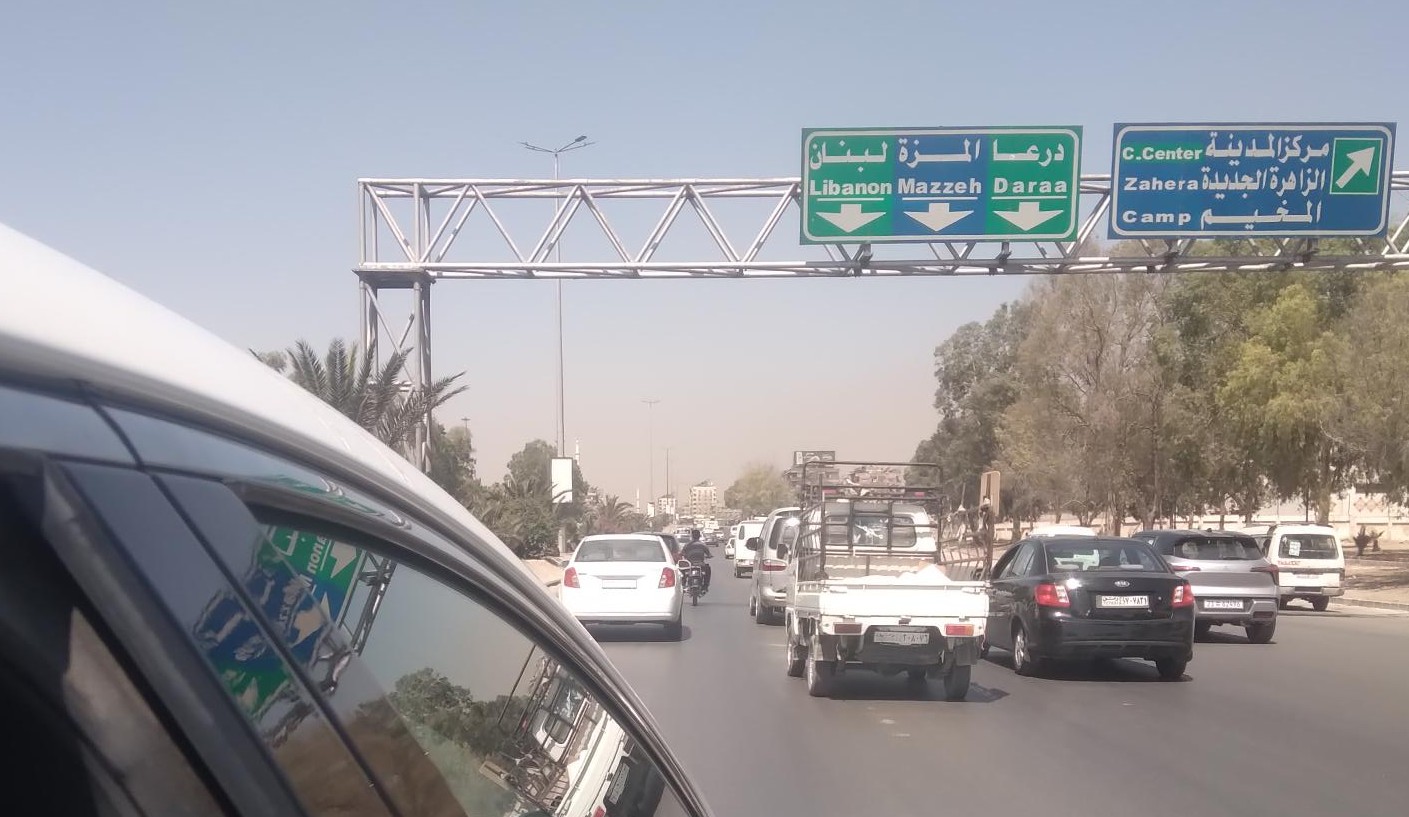
After entering via Türkiye and clearing customs, it was great to have pre-arranged transport waiting to take me to the hotel. Having spent a lot of time in multiple Middle Eastern capitals, the hustle and bustle never ceases to amaze me, and it doesn't surprise me that accidents seem to be avoided despite near-zero traffic management.
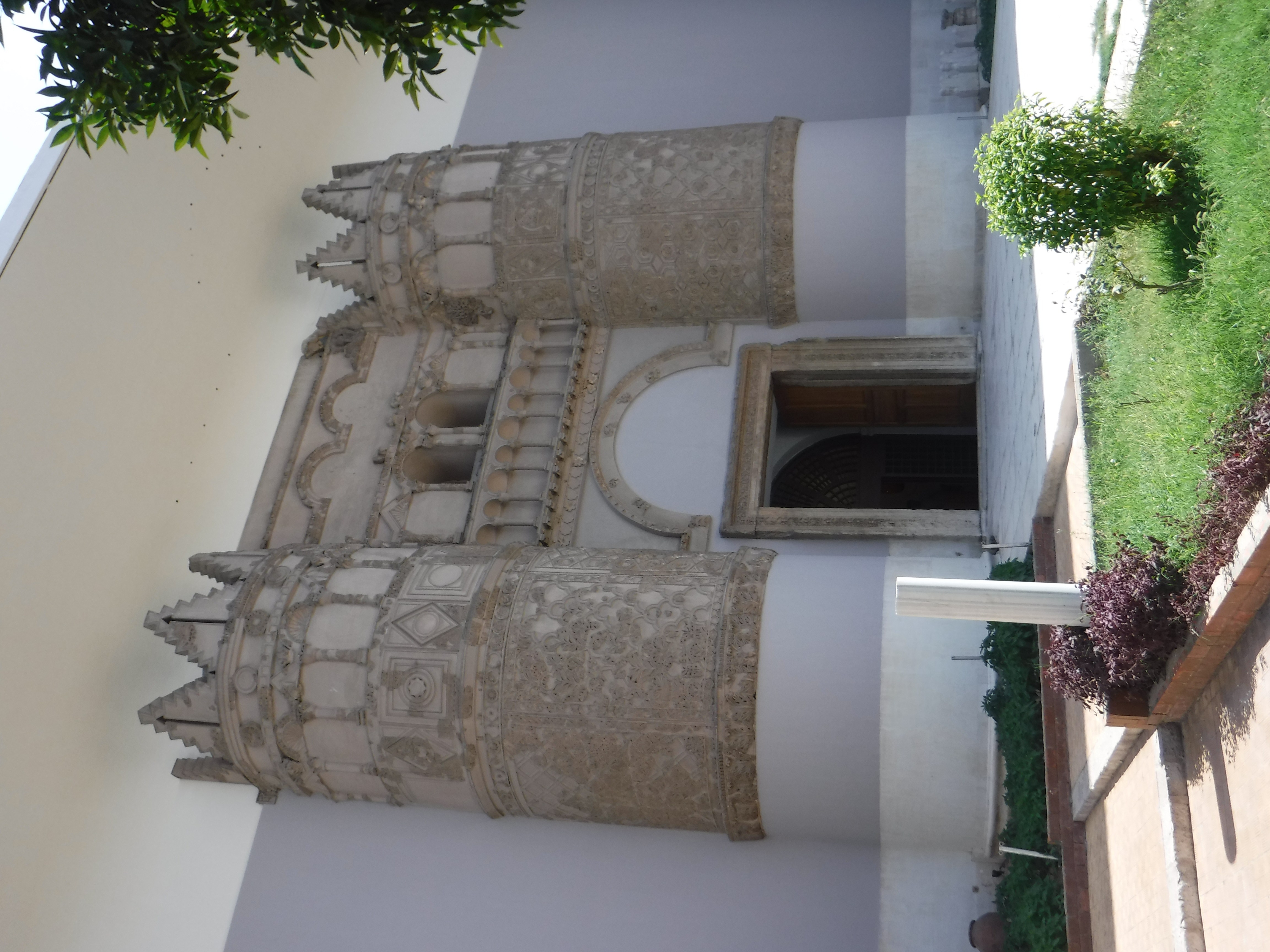
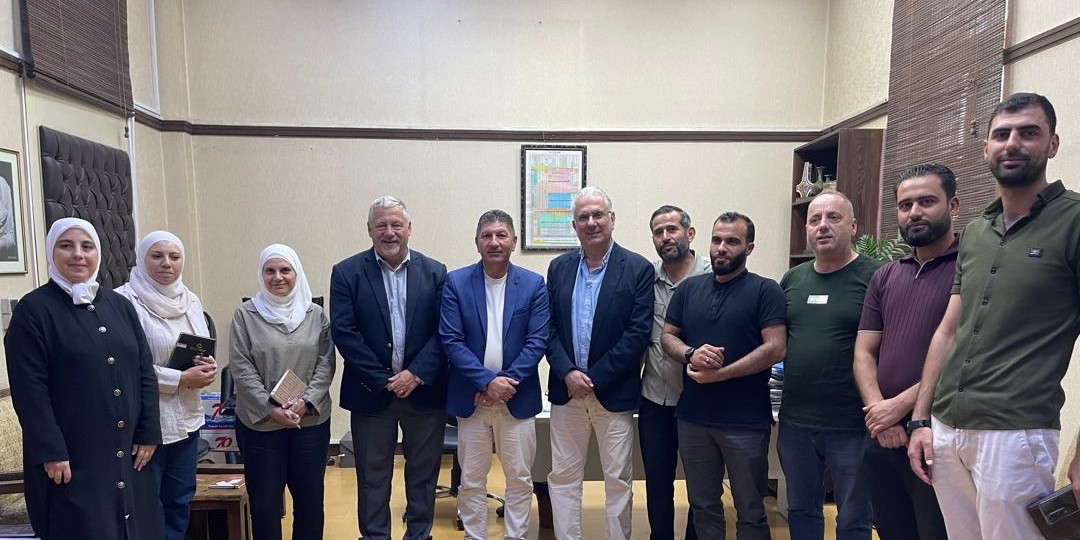
On the first day, I spent the afternoon meeting with Museum officials and listening to the concerns and issues they face day to day. I then reviewed protective security measures (physical, active, and technical) for the gardens and the exhibition galleries that were open to the public.
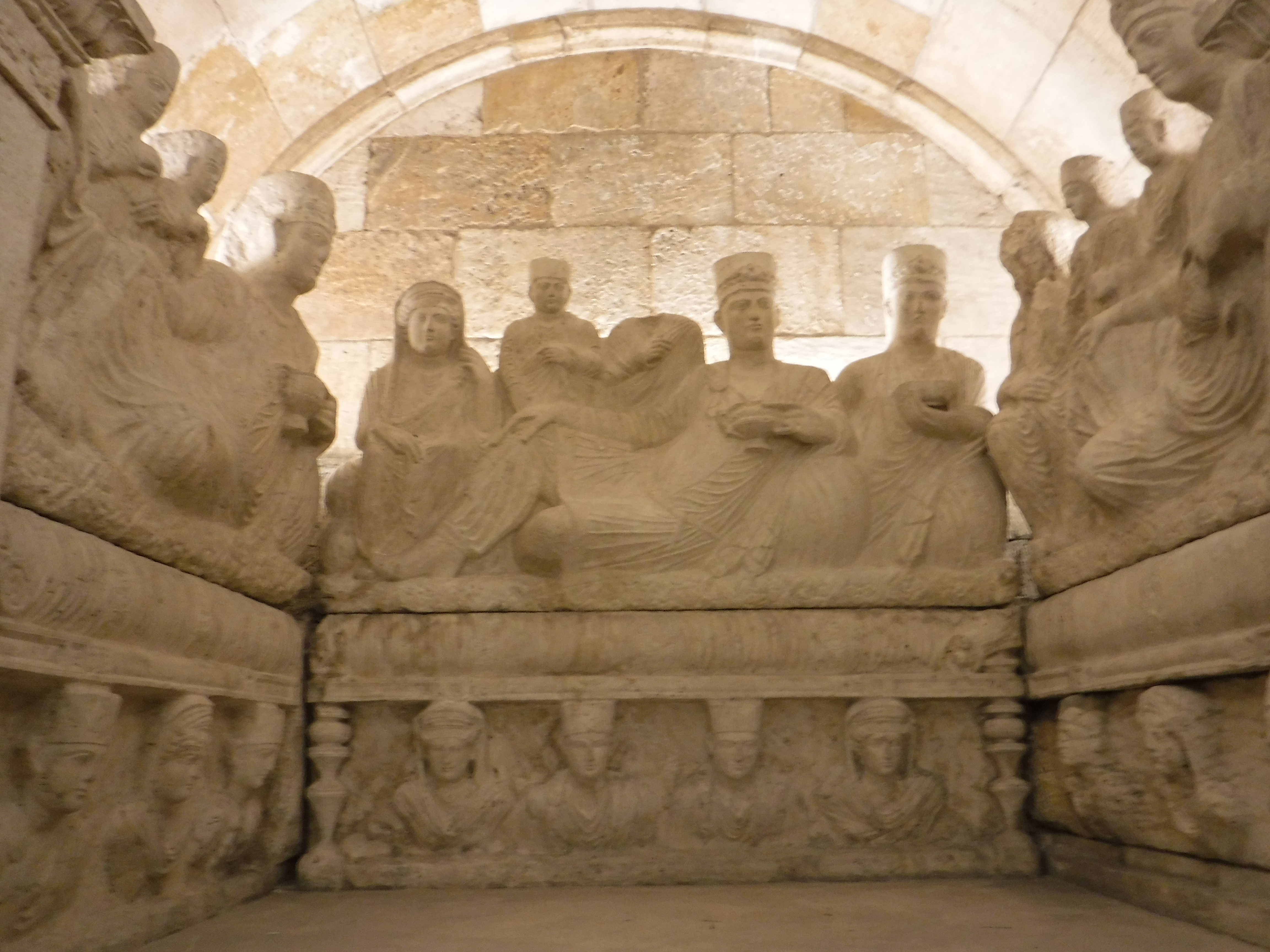
The following day, I met again with Ministry of Culture officials, government and police representatives, and UNESCO regional leadership. This was very helpful, as it provided insight into the desired strategic direction, so any protective security recommendations could be aligned.
As well as the physical and technical security measures, it is always important to assess the operational activities that exist to ensure they work collaboratively, whether internal or with external stakeholders. This included reviewing how the collections were exhibited and displayed, and the role of invigilators in telling the artefacts' full story.
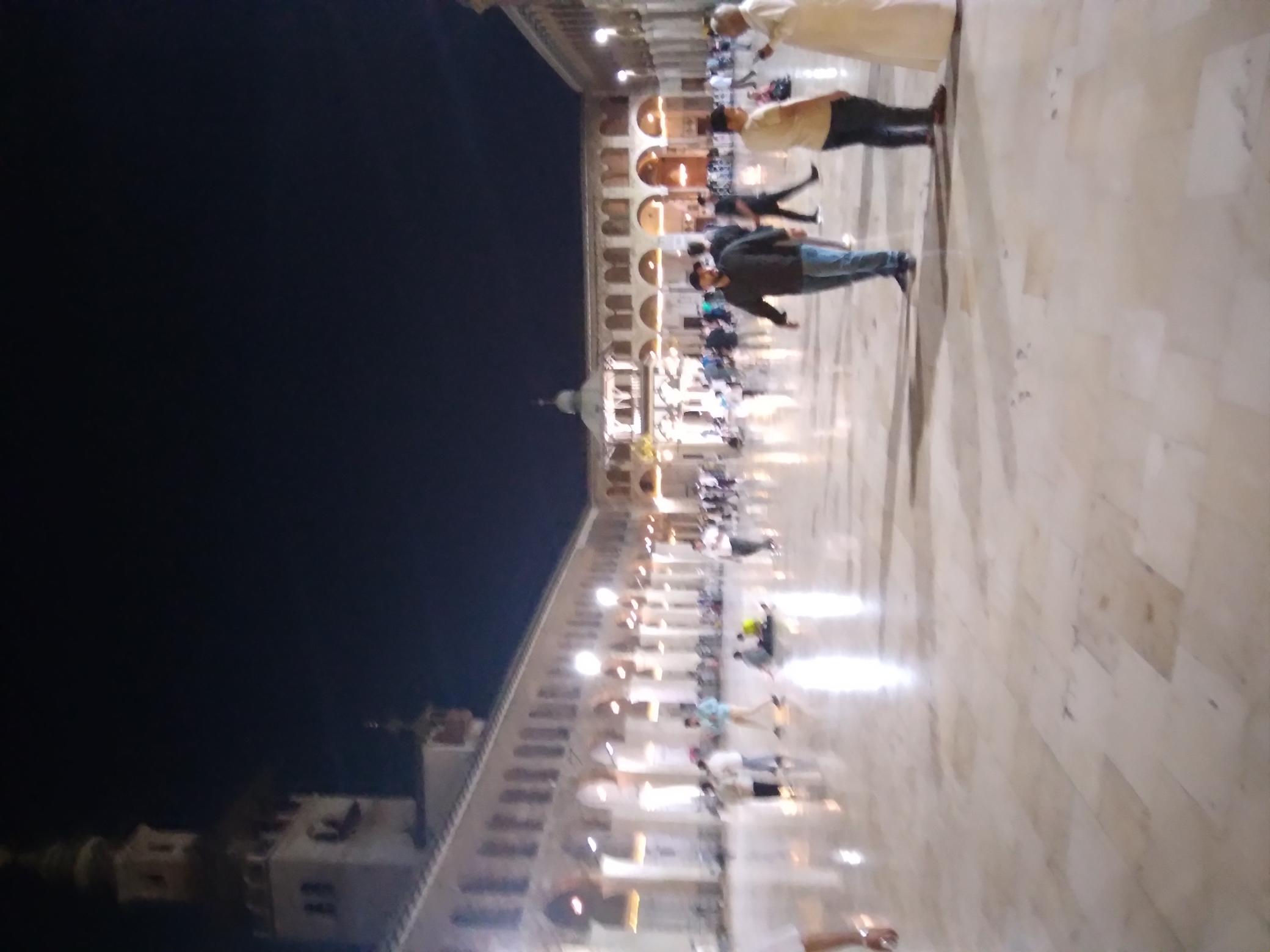
In the evening, I had the pleasure of visiting the Old City, exploring side streets, walking the length of the famous Souq al-Hamidiyya, and visiting the beautiful Umayyad Mosque. I also enjoyed wonderful Syrian cuisine at family-filled restaurants.
After five days, I completed my assessment, and before heading back, I briefed the Director General of the DGAM (Directorate General of Antiquities and Museums), part of the Syrian Ministry of Culture, on the findings and a broad outline of the recommendations to follow.
On return to the United Kingdom, we prepared a risk assessment, drafted a report, and provided recommendations to help reduce and manage existing risks. We submitted this to UNESCO HQ in France, where, through partnership working, the recommendations to reduce security risks and preserve the collections for future generations will be implemented.
A wonderfully rewarding review, where meaningful support was given to a team of dedicated professionals helping reduce and preserve Syrian cultural heritage for future generations.
Here are the top five takeaways from this visit:
1.Know before you go: Plan and know what you need before you get there. For example:
- UK/European mobile phone networks don’t work; Lebanese and Turkish ones do.
- Cash is king, preferably US dollars, and is accepted in international hotels, restaurants, and for transport.
- Consider insurance coverage.
- Travelling outside Damascus brings increased risk of conflict and acts of terrorism.
2. Think local: Consider local resources and the fact that the Syrian government is trying to stabilise the situation while still having sanctions imposed and restrictions on imports.
3. Good practices: It isn’t easy to introduce international best practices when there aren’t the resources to support them. Remember, what works in one country may not suit all. No one has a monopoly on good ideas and practices; look at how things are managed locally, and don’t dismiss them instantly if they don't meet the best international standards, because that doesn’t mean they aren't appropriate and proportionate for the existing situation.
4. Embrace Syrian cultural heritage: This visit highlighted the rich and deep history that has been blended over thousands of years to create the rich mosaic of Syrian cultural heritage that I was able to witness. The people were welcoming, and at every turn, I encountered a new cultural experience.
5. Self-Reflection: When suffering from the loss of an artefact, it is easy to fall into the blame-game trap. One theft, even with conflict all around, isn't that bad. Consider the great work everyone does day in and day out to protect and preserve exhibits and cultural heritage, and to ensure it survives for future generations.
All in all, this was a successful visit that helped me understand how the National Museum of Damascus operates, how it protects its assets, and the steps needed to reduce risks as low as reasonably practicable.
I met some wonderful people, saw some fabulous sites, and look forward to returning in the future to continue supporting museum colleagues operating in Syria.